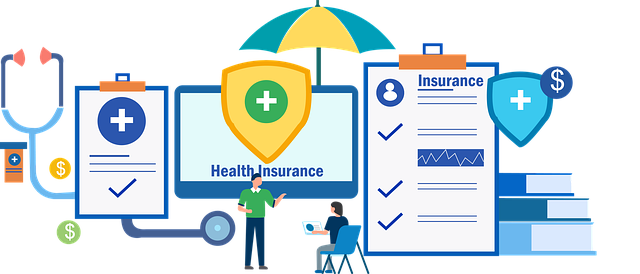
Economical Liability Shield: Strategies for Small Businesses
Small business owners seeking low-cost liability insurance should start with a risk assessment to t.......
Read more →
Understanding Liability-Insurance
Liability-insurance is a form of insurance that covers the insured against liability claims or lawsuits for property damage or bodily injury that one has caused to a third party. It is a critical component in both personal and commercial contexts, providing financial protection against unforeseen events leading to legal responsibilities.
The concept of liability-insurance dates back centuries, evolving from the marine insurance practices of ancient civilizations to the modern comprehensive policies available today. Its significance lies in its ability to mitigate the potentially devastating financial consequences of being found liable for damages or injuries caused to others.
Global Impact and Trends
The impact of liability-insurance is felt worldwide, with its influence varying across different regions due to unique legal frameworks, cultural attitudes towards risk, and economic conditions. For instance, in the United States, liability insurance is integral to the litigious environment, whereas in countries with no-fault insurance systems like Korea or Sweden, the role of liability insurance differs significantly.
Key trends shaping the trajectory of liability-insurance include the increasing frequency of natural disasters, technological advancements leading to new liability risks, and a growing awareness of corporate social responsibility. The rise in class-action lawsuits and cybersecurity incidents has also led to a surge in demand for specialized liability insurance coverage.
Economic Considerations
From an economic standpoint, liability-insurance plays a dual role as both a risk management tool and a driver of economic stability. It influences market dynamics by encouraging risk-taking behaviors, as the potential financial impact of adverse outcomes is reduced. Investment patterns in the insurance sector are also shaped by the demand for liability coverage, influencing where capital flows within the industry.
In economic systems that rely heavily on litigation to resolve disputes, liability-insurance acts as a buffer against the volatility inherent in such environments. It ensures that compensation can be provided without depleting the assets of individuals or companies found liable.
Technological Advancements
Technology has revolutionized the field of liability-insurance, with advancements leading to more accurate risk assessment models and innovative insurance products tailored to emerging risks, such as those associated with autonomous vehicles. The use of big data analytics enables insurers to better understand and price the risk of liability claims. In the future, blockchain technology could further enhance the transparency and efficiency of liability-insurance claim processing.
Policy and Regulation
The governance of liability-insurance is shaped by a complex web of policies, regulations, and legislative frameworks that vary from one jurisdiction to another. In the European Union, the Solvency II Directive establishes strict capital requirements for insurers. In the United States, the Liability Risk Retention Act of 1998 facilitates the formation of liability insurance pools for certain professions.
These regulations are crucial in ensuring that liability-insurance operates fairly and sustainably, protecting both insured individuals and the broader economy from potential shocks arising from large-scale liability claims.
Challenges and Criticisms
Liability-insurance faces several challenges, including the increasing complexity of liability laws, fraudulent claims, and the difficulty in assessing emerging risks such as those associated with new technologies. Critics argue that liability insurance can sometimes lead to a moral hazard, where individuals or entities may take on riskier behaviors because they are insured against potential losses.
To address these issues, stakeholders can invest in improved fraud detection systems, promote education on the responsible use of liability-insurance, and support the development of new insurance products that align with emerging risks.
Case Studies
Several case studies illustrate the successful application of liability-insurance. For example, the Chrysler airbag recall in 2014, where liability insurance covered the substantial costs associated with the recall and settlements. The Deepwater Horizon oil spill in 2010 is another instance where liability insurance played a vital role in managing the financial fallout of the environmental disaster. These case studies provide valuable insights into the practical application of liability-insurance and its effectiveness in various scenarios.
Future Prospects
The future prospects for liability-insurance are promising, with potential growth areas including cyber liability insurance as cyber threats continue to evolve, and climate change adaptation measures leading to a greater need for environmental liability insurance. The rise of the gig economy also presents opportunities for tailored liability-insurance products that address the unique exposures faced by gig workers.
Emerging trends such as the increased use of telemedicine and the expansion of renewable energy projects are also likely to shape the demand for specialized forms of liability insurance. Strategic considerations for insurers include leveraging technological advancements, understanding evolving legal landscapes, and continuously adapting to the changing risk environment.
Conclusion
Liability-insurance is a multifaceted and critical component of both personal and commercial risk management. Its historical context, global impact, economic role, technological evolution, regulatory framework, challenges, real-world applications, and future prospects all contribute to its significance in society. As the landscape of liability continues to evolve, the importance of this insurance coverage will remain paramount in providing financial protection and fostering economic stability.
FAQ Section
What is liability-insurance? Liability-insurance provides financial protection against legal claims for bodily injury, property damage, or reputation harm for which an individual, company, or organization is found to be responsible.
Why is liability-insurance important? It protects assets and ensures that compensation can be provided without causing financial ruin to the insured party. It also facilitates commerce by mitigating the fear of litigation.
How does liability-insurance work? When an insured individual or entity is sued for a covered claim, the insurance company provides a legal defense and, if necessary, pays out the claim up to the policy limit.
What are common types of liability insurance? Common types include general liability insurance, professional liability insurance (errors and omissions), cyber liability insurance, and product liability insurance.
How does technology impact liability-insurance? Technology impacts liability-insurance by enabling more accurate risk assessments, creating new liability exposures, and improving the efficiency of claim processing and fraud detection.
This summary provides an overview of the complex topic of liability-insurance, touching on its historical context, global impact, economic role, technological evolution, regulatory framework, challenges, real-world applications, and future prospects. For a more detailed analysis or personalized advice, consulting with an insurance expert or legal professional is recommended.